


Blog
Blog Details
Trading Tips
How to Stack Bitcoin on Autopilot Without Becoming a Full-Time Trader Copy 4
Most people know they should own Bitcoin. The problem is that crypto feels overwhelming, risky, and time-consuming. Here’s how a new generation of fintech apps is making it possible to earn yield on idle dollars while automatically building long-term crypto exposure in the background.

Aise
Senior Writer
6mins
Reading Time

Share
The internet has changed how people communicate, work, shop, and invest. But when it comes to growing money, most people are still stuck with systems built decades ago.
Traditional savings accounts barely move the needle. Bonds lock up capital for long periods. Active trading requires constant attention, experience, and emotional discipline that most people simply do not have time for.
At the same time, crypto has created one of the biggest wealth-generation opportunities of the last decade. Bitcoin alone has gone from being dismissed as internet money to becoming a globally recognized asset held by institutions, public companies, and millions of individuals around the world.
Yet despite all the growth, there is still one major problem:
Most people still do not know how to participate safely and consistently.
They either:
buy emotionally during hype cycles,
panic during market crashes,
leave money sitting idle in low-yield bank accounts,
or avoid crypto entirely because it feels too technical.
That gap between traditional finance and crypto is exactly where a new category of fintech products is emerging.
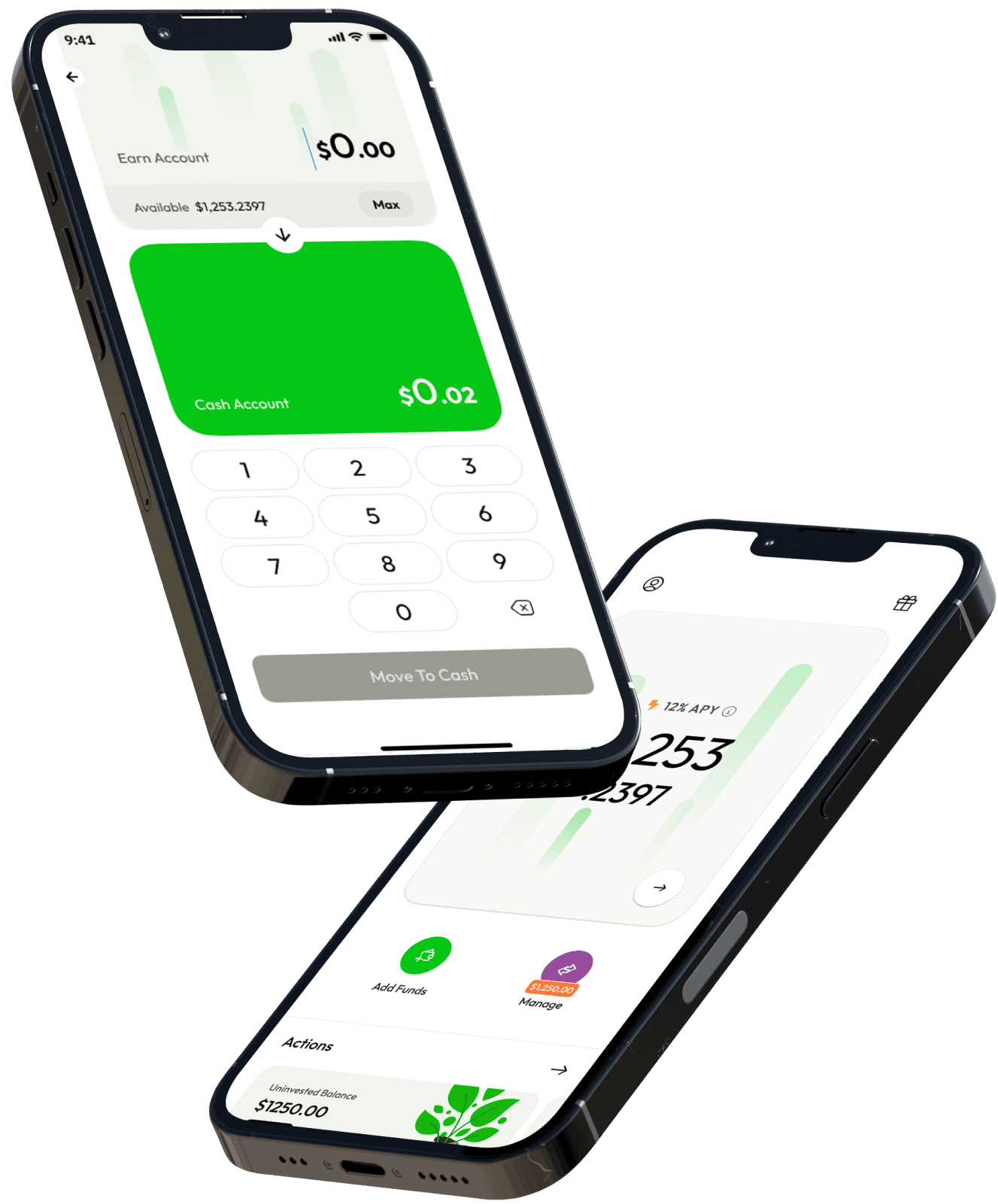
Platforms like Yield Club are trying to simplify crypto accumulation by combining automated investing, yield generation, and self-custody into one experience.
The idea is simple:
Instead of trying to time the market, users can allow their dollars to earn yield while automatically converting that yield into Bitcoin over time.
No charts.
No constant trading.
No emotional decision-making every week.
Just automated accumulation running quietly in the background.
Why Traditional Saving Feels Broken
For years, saving money meant putting cash into a bank account and earning interest. But in many countries, traditional savings accounts offer extremely low returns, often below inflation.
That means even though your balance goes up slightly, your purchasing power may still be shrinking over time.
This has pushed many people to search for alternatives:
stocks,
ETFs,
real estate,
crypto,
high-yield savings products,
and decentralized finance.
The challenge is that most alternatives either require expertise or sacrifice liquidity.
For example:
real estate requires large capital,
trading requires constant attention,
fixed-income products may lock funds for months or years,
and crypto can feel intimidating for beginners.
Modern users increasingly want three things simultaneously:
growth,
flexibility,
simplicity.
That combination is difficult to achieve in traditional finance.
The Rise of Automated Investing
One of the biggest trends in fintech over the past decade has been automation.
People no longer want to manually manage every financial decision themselves. Instead, they want systems that help them build wealth consistently without needing daily involvement.
This is why products like:
recurring stock purchases,
robo-advisors,
automatic savings transfers,
and portfolio rebalancing
became so popular.
Crypto is now entering the same phase.
Instead of asking users to become traders, platforms are beginning to focus on automation and accumulation.
This changes the entire emotional experience.
Rather than obsessing over short-term price movements, users focus on long-term exposure and consistent habits.
What “Stacking Bitcoin” Actually Means
In crypto communities, the phrase “stacking sats” refers to accumulating small amounts of Bitcoin consistently over time.
The idea is based on long-term conviction rather than short-term speculation.
Instead of trying to perfectly buy bottoms and sell tops, users steadily accumulate Bitcoin regardless of market conditions.
This strategy is similar to dollar-cost averaging in traditional investing.
For many people, this feels psychologically easier because:
there is less pressure,
less emotional decision-making,
and fewer attempts to predict the market.
Automation strengthens this approach even further.
According to Yield Club’s website, users can enable “Autopilot,” which automatically converts earned yield into Bitcoin.
The concept combines:
passive yield generation,
automated crypto accumulation,
and self-custody infrastructure.
Why Simplicity Matters in Crypto
Crypto has historically suffered from a usability problem.
New users are often forced to understand:
wallets,
seed phrases,
gas fees,
exchanges,
bridges,
staking,
liquidity pools,
and security risks
before they can even begin.
For experienced crypto users, these systems may feel normal.
For everyone else, it feels overwhelming.
That complexity has slowed mainstream adoption for years.
The next wave of crypto products will likely focus less on technical jargon and more on user experience.
People want products that feel intuitive.
They want:
clear onboarding,
understandable risk,
simple interfaces,
and automation that reduces friction.
This is one reason fintech-style crypto apps are growing in popularity.
They package complex infrastructure into simpler experiences that feel more approachable to everyday users.
The Importance of Liquidity
One major concern people have with yield products is liquidity.
Traditional fixed-income products often lock up capital for long periods. Some crypto products have also historically required lock-up periods that prevent users from withdrawing quickly.
Modern users increasingly expect flexibility.
According to Yield Club, users can withdraw anytime without lockups or waiting periods.
Liquidity matters because financial situations change unexpectedly.
People may need:
emergency funds,
business capital,
tuition payments,
or immediate access during volatile markets.
Products that combine yield generation with flexible access are becoming more attractive as users prioritize optionality.
Self-Custody and Ownership
Another major shift happening in crypto is the growing focus on self-custody.
After several high-profile collapses in the crypto industry over the last few years, many users became more aware of the risks of leaving assets fully controlled by centralized platforms.
The phrase:
“Not your keys, not your crypto”
became increasingly important.
Self-custody means users maintain ownership and control over their assets rather than fully handing custody to a third party.
According to the App Store description for Yield Club, the platform emphasizes self-custody infrastructure and states that users retain ownership of their assets.
For many users, this creates a balance between:
accessibility,
automation,
and asset control.
The Bigger Shift Happening in Finance
What we are seeing now is bigger than just crypto.
A broader shift is happening in consumer finance.
Users increasingly expect:
transparency,
automation,
higher yields,
mobile-first experiences,
and direct ownership.
Traditional finance products are being challenged by fintech experiences that feel faster, simpler, and more aligned with internet-native behavior.
Crypto infrastructure is gradually becoming invisible underneath the interface.
Most users do not care about the underlying protocols. They care about outcomes:
growing savings,
building long-term wealth,
maintaining flexibility,
and reducing complexity.
The products that succeed long term will likely be the ones that make powerful financial infrastructure feel effortless.
Final Thoughts
Bitcoin accumulation does not need to feel like a second job.
For years, crypto products catered primarily to traders, speculators, and technically advanced users. But the market is evolving.
A newer generation of fintech products is emerging around automation, simplicity, and long-term accumulation.
Instead of forcing users to constantly trade or monitor charts, platforms are beginning to focus on passive systems that work quietly in the background.
That shift matters because the future of financial products will likely belong to experiences that reduce friction rather than increase complexity.
For users who believe in long-term crypto adoption but do not want to become full-time traders, automated accumulation may become one of the most practical entry points into digital assets.
And for fintech platforms like Yield Club, the opportunity is clear:
make wealth-building feel less intimidating, more accessible, and increasingly automatic
All Articles
Trading Tips
How to connect a wallet to a web3 platform
Lorem ipsum dolor sit amet, consectetur adipiscing elit. Adipiscing posuere quam commodo eu.

Priya Shah
May 05
15 min read
Trading Tips
How to connect a wallet to a web3 platform
Lorem ipsum dolor sit amet, consectetur adipiscing elit. Adipiscing posuere quam commodo eu.
Priya Shah
May 05
15 min read
Trading Tips
How to connect a wallet to a web3 platform
Lorem ipsum dolor sit amet, consectetur adipiscing elit. Adipiscing posuere quam commodo eu.
Priya Shah
May 05
15 min read
Start stacking, your yield is waiting
© 2025 Yieldclub